


Headache Treatment in Busselton
A New, Physiology‑Aligned Approach
Persistent or recurring headaches can feel confusing, frustrating, or even frightening.
Many people are told their headaches are “just stress” or “just tension,” even when that doesn't match their lived experience.
At Back In Harmony, we use a different lens — one grounded in modern physiology and whole‑body energy balance.


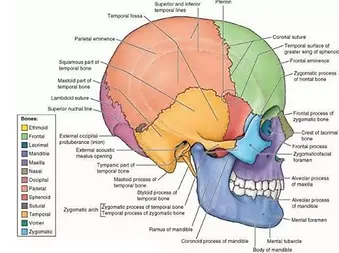
Why Your Head Hurts — An Energy‑Based Explanation
Your brain and the bones that protect it are among the most energy‑hungry tissues in the body.
They rely on healthy mitochondria — the organelles that sense stress, manage energy, and coordinate repair.
When life becomes overwhelming, sleep is disrupted, or your system is under strain, these tissues can shift into a low‑energy, high‑sensitivity state. This creates the perfect conditions for headaches.
1. Your Whole‑Body Energy Budget Sets the Stage
Your body runs on a single energy budget that must cover thinking, healing, digestion, movement, and immunity.
When demand exceeds supply, the system sends signals like pain, fatigue, or headache to slow you down.
Your daily energy availability is shaped by:
-
sleep quality
-
stress load
-
inflammation
-
circadian rhythm
-
recovery time
When this budget is stretched thin, the brain, the spine and the cranial bones may not get the resources they need.
Headache becomes a signal — not a failure.
2. Brain Mitochondria Under Load
Inside the brain, mitochondria constantly switch between two modes:
-
Repair Mode (calm, efficient, well‑resourced)
-
Defence Mode (stressed, energy‑limited, more sensitive)
When the brain shifts into defence mode, it becomes more reactive to light, sound, movement, and internal signals.
This explains why headaches flare during stress, poor sleep, or sensory overload


3. Cranial and Cervical Bones Also Have Energy Needs
This surprises many people: the bones of your skull and spine contain active bone marrow.
That marrow:
-
produces immune and repair cells
-
responds to stress
-
requires significant energy
-
communicates with nearby nerves
When cranial bone marrow is under‑resourced, it can send “distress signals” that contribute to headache.
This often shows up as tenderness at specific cranial points — such as the occipital ridge, temporal bone, or along sutures.
4. The Tissues Around the Brain React
Between the brain and the skull are sensitive tissues:
-
meninges,
-
periosteum,
-
cranial sutures,
-
small nerve pathways.
How This Feels in Real Life
-
pressure
-
tightness
-
involuntary muscle tension of the temples, jaw and upper neck.
-
tiredness in the head
-
focal tenderness
-
“inflamed” or “tired” sensations
These sensations are real — and they make sense.
5. The Final Output: Headache
When energy demand exceeds energy supply, the system sends a clear message:
“This region needs support.”
Headache becomes a bioenergetic distress signal, not a sign of damage.
This model explains why headaches often:
-
fluctuate with stress
-
worsen when you’re run down
-
improve with rest and routine
-
come with tender cranial points
-
don’t always match scan results
-
don't always respond to "cervicogenic" or "spinal alignment" treatments
Your body isn’t failing — it’s communicating.
⭐ How We Treat Headaches at Back In Harmony
Our approach restores the conditions your system needs to rebalance and repair.
What Treatment Involves
We focus on:
-
Tuning in to body sensations and what they’re signalling.
-
Locating sensitive periosteal points on the cranial bones.
-
Using proprietary sequences of light and/or vibration to reduce pain signalling and support mitochondrial energy
-
Treating the balance of the whole body, not just the head — including shoulder girdle, pelvis, and legs
-
Exploring lifestyle and emotional load that may be stressing the neuro‑immune system
-
Suggesting supportive changes such as mindful self‑awareness, movement, and diet adjustments.
When energy resources are restored the nervous system and the muscles can let go and relax.
People often describe the treatment as
-
Deeply relaxing
-
Calming
-
Grounding
-
Relieving
-
Restorative
We don’t force the body. We help it find the conditions it needs to heal.
A More Hopeful Way to Understand Headache
You are not “overreacting.”
You are not “imagining it.”
Your body may simply be behind on energy and asking for support.
When we understand headache through the lens of energy and repair, treatment becomes clearer, gentler, and more effective.
Ready to understand your headaches through a clearer, physiology‑aligned lens, and find relief at last?